Relying on "Waterproof" Equipment Without Comprehending the Difference
Among the most significant misconceptions in camping is treating water-resistant and water-proof as interchangeable terms. Waterproof gear can manage a light drizzle or quick sprinkle, yet it will eventually allow moisture with under continual rain or hefty stress. True water-proof gear, normally ranked with a hydrostatic head measurement, is constructed to stand up to prolonged direct exposure.
Before your next journey, read the tags thoroughly. A coat rated at 5,000 mm will stand up in light rain, however a complete downpour needs something closer to 20,000 mm or greater. Knowing the distinction can suggest the night between dry and unpleasant.
Avoiding Seam Securing on Your Camping tent
The majority of campers presume that a new camping tent is ready to go straight out of the box. Several are not. Even tents marketed as water-proof frequently have actually stitched seams that permit water to seep with needle openings in time. If your outdoor tents did not featured factory-taped joints, you need to apply seam sealant yourself prior to your very first journey.
Just How to Seam Seal Effectively
Set your outdoor tents up on a completely dry day, apply joint sealer along every sewn line on the within the rainfly, and let it cure fully-- typically 24 hr-- prior to packing it away. Doing this when a season is a good practice, especially if the outdoor tents is older or regularly used.
Neglecting to Re-Waterproof Old Equipment
Waterproofing is not an one-time repair. The long lasting water repellent (DWR) finishing on coats, outdoors tents, and packs breaks down with time with usage, washing, and UV direct exposure. You will certainly know it has disappeared when water no longer beads up and rolls away but instead soaks into the fabric, making it heavy and inefficient.
Bring back DWR is basic. Laundry folding camping chairs the product, use a spray-on or wash-in DWR treatment, and after that activate it with low heat from a tumble dryer or a warm iron on a low setup. This action is ignored much frequently, and it makes a considerable distinction in performance.
Poor Camping Tent Placement
Even one of the most costly water resistant camping tent will fail if pitched in the incorrect place. Camping in a low-lying location, at the base of a slope, or on ground that looks flat but subtly networks water is a dish for flooding. Rain can flow across the ground and swimming pool straight below your groundsheet before you even see.
Picking the Right Camping Area
Constantly hunt your site before pitching. Look for a little raised, normally draining ground. Avoid locations with compressed soil or visible water networks. If the ground really feels mushy, move on. A couple of added mins invested discovering the best area will secure you from hours of discomfort.
Disregarding the Groundsheet
Many campers pay close attention to their rainfly but entirely forget ground dampness. Without an appropriate groundsheet or footprint under your outdoor tents, wetness from the soil can wick upward through the camping tent floor, especially during colder evenings when condensation accumulates.
Make use of an impact developed for your tent or a tarp cut a little smaller than your tent's base. This not just obstructs ground wetness but additionally prolongs the life of your tent flooring dramatically.
Overpacking Your Dry Bags Without Appropriate Rolling
Dry bags are unbelievably reliable when utilized correctly, yet campers typically stuff them also full and fall short to roll the top down enough times to create an appropriate seal. A completely dry bag that is not rolled a minimum of 3 to four times and clipped closed is hardly better than a routine bag.
Keep your most important items-- electronic devices, a first aid set, and extra garments-- in their own completely dry bags rather than tossed freely into a bigger one. Assume that any type of bag without a proper seal will certainly splash if it rains hard sufficient.
Ignoring Condensation Inside the Outdoor tents
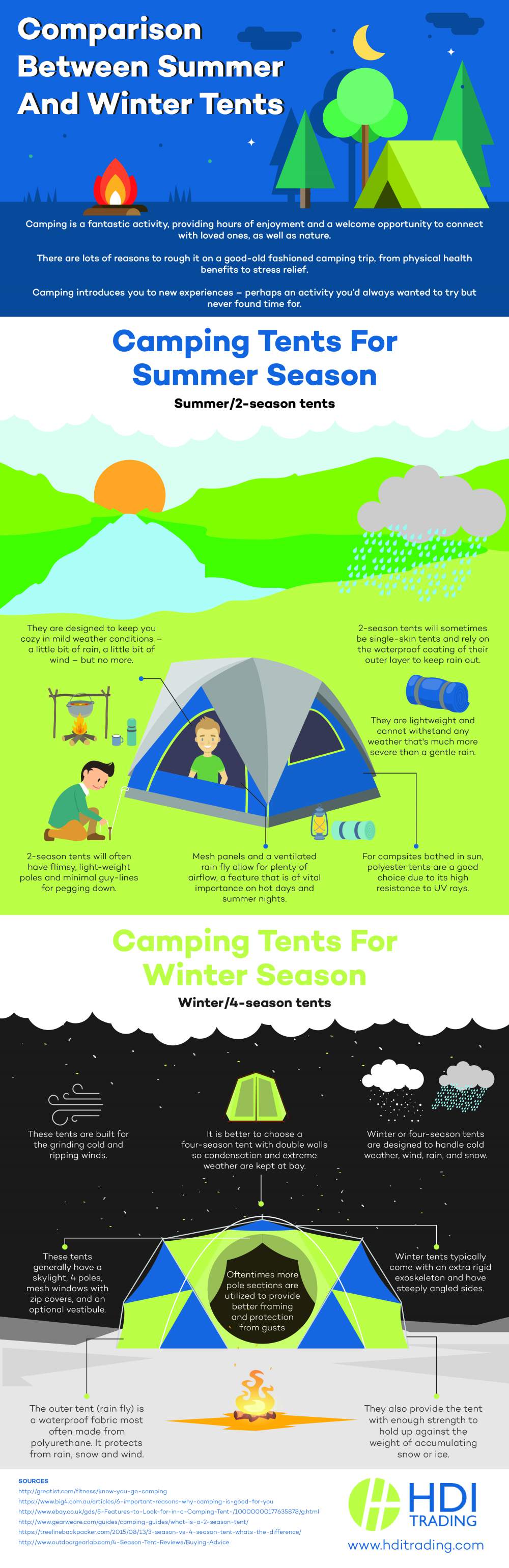
Waterproofing keeps rainfall out, however several campers fail to remember that dampness can develop from the within. Breathing, body heat, and food preparation inside a tent all produce condensation that holds on to the interior wall surfaces and ultimately trickles. This is often incorrect for a dripping tent.
Correct ventilation is the option. Open up tent vents and keep a tiny void in the door or window when weather condition allows. A well-ventilated tent stays drier inside, also during chilly or stormy nights.
Final Ideas
Excellent waterproofing is not concerning purchasing the most costly gear-- it has to do with comprehending how that equipment works and keeping it appropriately. By preventing these usual errors, you give on your own a far better possibility of staying completely dry, comfortable, and concentrated on taking pleasure in the outdoors instead of taking care of the after-effects of a soggy camping site.